How Proper Base Installation Prevents Shifting Paver Walkways
People searching for paver installation want to ensure their walkways stay level and stable, and local contractors can expertly install proper bases to prevent shifting.
Understanding how proper base installation prevents shifting paver walkways is essential for property owners looking to ensure long-lasting, stable outdoor surfaces. When pavers are installed over a well-prepared base, it creates a solid foundation that resists movement caused by soil shifts, weather changes, or heavy foot traffic. This foundational step is crucial for maintaining the walkway’s appearance and safety over time, especially in areas prone to ground movement or moisture issues. Local contractors specializing in paver installation can assess the specific needs of a property and implement base preparation techniques that help keep walkways level and secure for years to come.
For property owners in the area, exploring how proper base installation can prevent shifting paver walkways is a practical way to protect their investment and reduce future maintenance. Experienced service providers understand the importance of selecting appropriate materials and following best practices to ensure stability. By partnering with local pros, homeowners and business owners can benefit from expert guidance tailored to local soil conditions and climate factors, helping to achieve a durable, attractive paver surface that stands the test of time. Keep reading to discover more about the steps involved and how professional installation makes a difference.
- Paver installation - homeowners planning to install new walkways can benefit from local contractors who ensure proper base preparation to prevent shifting.
- Driveway paving - when replacing or extending driveways, local service providers focus on a stable foundation to avoid future movement and cracking.
- Patio construction - for outdoor living spaces, pros emphasize correct base layering to maintain the integrity of paver patterns over time.
- Walkway repair - those experiencing uneven or shifting pavers can rely on local contractors to evaluate and improve base conditions for long-lasting results.
- Landscape pathways - landscapers working on garden paths often prioritize proper base installation to keep pavers securely in place despite ground shifts.
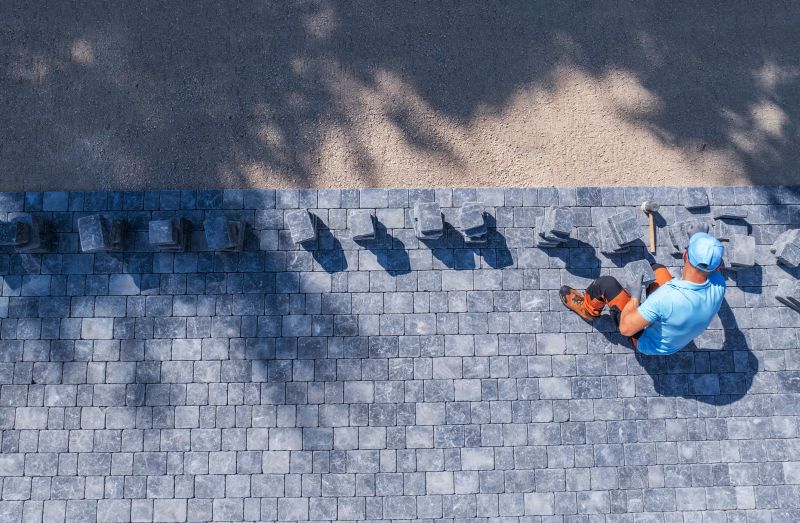
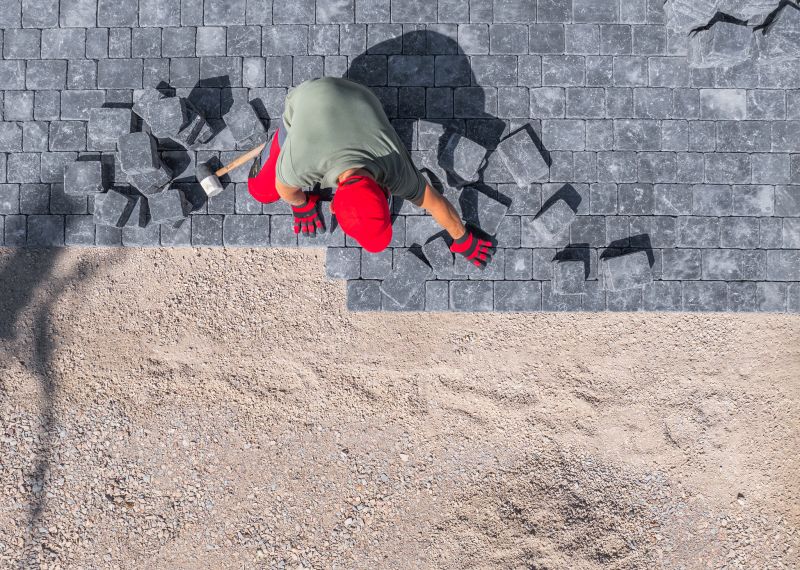

When homeowners search for information about how proper base installation prevents shifting paver walkways, they often want to understand why their existing paths become uneven or unstable over time. This concern typically arises after noticing pavers that have shifted, settled, or developed uneven surfaces, leading to tripping hazards or an unappealing appearance. The focus is on the foundational layer beneath the pavers, as it plays a crucial role in maintaining the walkway’s stability and longevity. Proper base installation is recognized as a key factor in preventing these issues, ensuring that the pavers stay in place even with regular foot traffic or exposure to weather changes.
This topic is closely related to common property plans such as outdoor walkways, patios, or garden paths that are intended to be durable and visually appealing. Problems often encountered include shifting, heaving, or cracking pavers, which can be caused by inadequate base preparation or poor installation techniques. Homeowners who are planning to install new paver walkways or repair existing ones often seek guidance on how to achieve a stable, long-lasting surface. Local contractors who specialize in paver installation emphasize the importance of a solid base to prevent future problems, making it a central consideration in the planning and execution of these projects.
Properties that typically come up in discussions about shifting paver walkways include residential homes, community parks, commercial plazas, and other landscaped areas. These properties often feature walkways that experience frequent use or are exposed to seasonal weather fluctuations, which can cause movement if the base isn’t correctly installed. For homeowners, ensuring the stability of a walkway is not just about aesthetics but also safety and functionality. Local service providers can assess the specific conditions of each property and recommend appropriate base materials and installation techniques to prevent shifting and maintain a level, durable surface.
Understanding how proper base installation prevents shifting paver walkways helps homeowners see the connection between foundational work and the long-term performance of their outdoor surfaces. It highlights the value of engaging experienced local pros who know how to prepare the ground correctly, choose appropriate materials, and execute precise installation methods. By focusing on this aspect of paver projects, property owners can reduce the likelihood of future repairs and enjoy a stable, attractive walkway for years to come. Connecting with local contractors who prioritize proper base preparation ensures that the initial investment results in a resilient, long-lasting outdoor feature.
Concrete Patios - Proper base installation techniques are essential for creating stable foundations that prevent shifting, making them closely related to paver walkway projects.
Retaining Wall Construction - Building retaining walls requires careful planning of the base to ensure stability, similar to preventing paver walkways from shifting over time.
Driveway Paving - Ensuring a solid base is critical in driveway paving to avoid uneven surfaces and shifting, paralleling the principles used in paver walkway installation.
Garden Pathways - Installing garden pathways often involves base preparation skills that help prevent movement and maintain the integrity of the walk.
Flagstone Installation - Proper base preparation is vital for flagstone projects to prevent shifting, aligning with best practices for paver walkway stability.
Outdoor Staircase Construction - Foundations must be carefully prepared to support weight and prevent shifting, similar to the techniques used in paver walkway base installation.
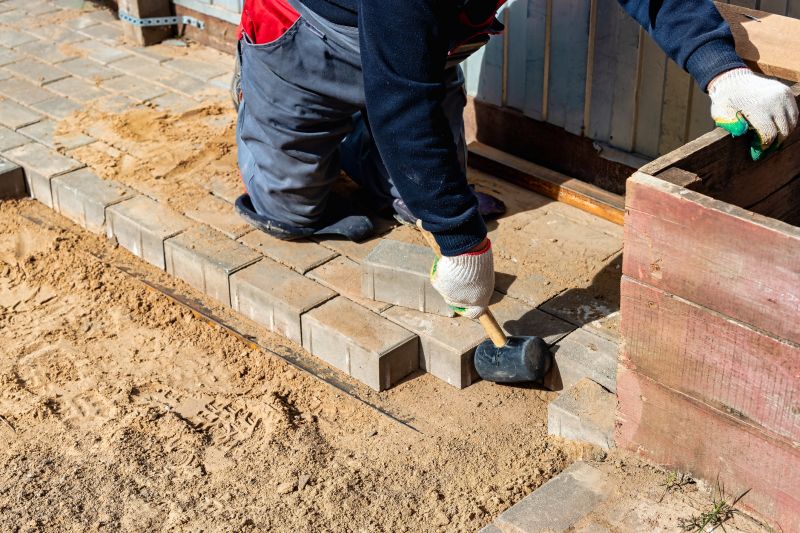
When evaluating contractors for paver installation, it is important to consider their experience with similar projects, particularly those involving the installation of proper bases to prevent shifting. A contractor with a proven track record in laying paver walkways that remain stable over time demonstrates an understanding of how proper base preparation contributes to long-lasting results. Asking for examples of past work or references related to similar installations can provide insight into their familiarity with the specific techniques necessary to ensure the walkway stays level and secure.
Clear written expectations are essential when comparing local contractors for paver installation services. A detailed project outline should specify the scope of work, including the preparation of the base, materials used, and the methods employed to prevent shifting. Having this information in writing helps ensure that both parties are aligned on the process and outcomes, reducing the potential for misunderstandings. It also allows homeowners to gauge whether the service provider emphasizes proper base installation as a key component of their approach.
Effective communication and reputable references are vital indicators of a dependable service provider. Contractors who are transparent about their methods and willing to discuss how they approach base installation can help homeowners feel more confident in their choice. Additionally, seeking references or reviews from previous clients who had similar projects can reveal insights into the contractor’s reliability, professionalism, and attention to detail. Good communication fosters a smoother project experience and increases the likelihood that the paver walkway will be installed correctly, minimizing the risk of shifting over time.
Property owners often search for how proper base installation prevents shifting paver walkways when they are planning practical projects around their homes and businesses. Local pros provide Paver Installation services for everyday jobs and straightforward project options.
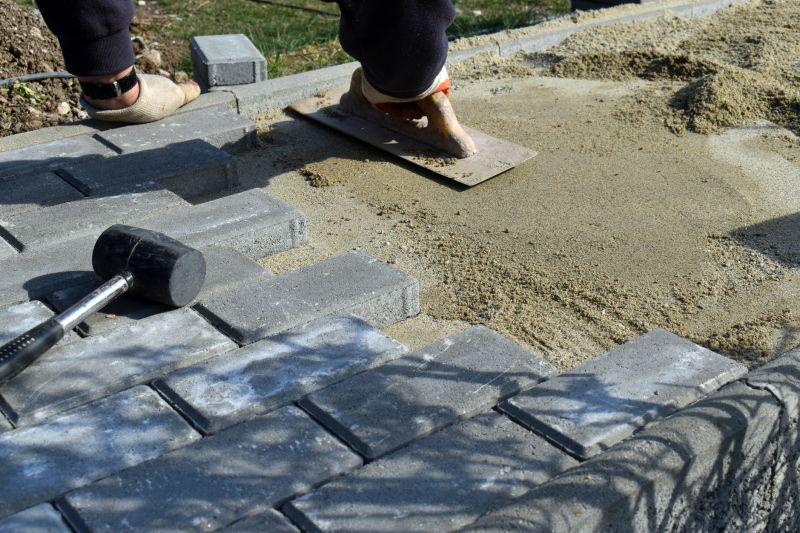
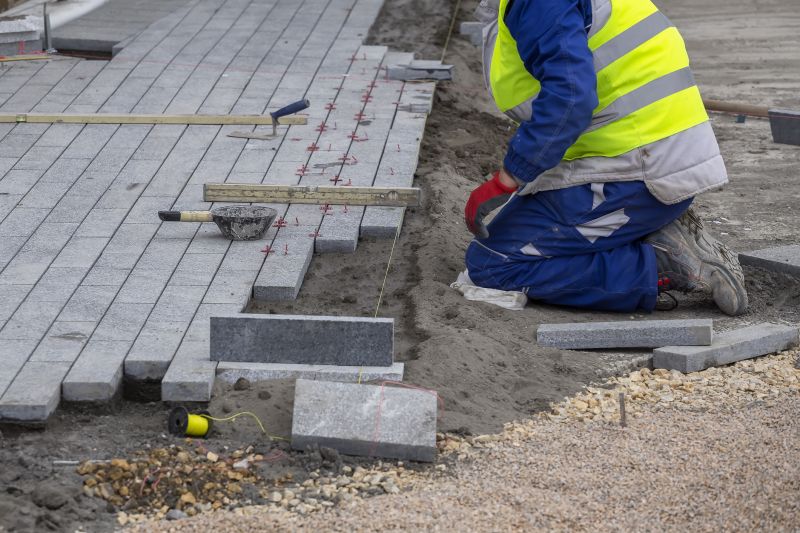
Proper base installation is essential for maintaining the stability of paver walkways and preventing shifting over time. When property owners in the area consider installing new walkways or repairing existing ones, understanding how a well-prepared base can make a significant difference is common. Local contractors who specialize in paver installation can assess ground conditions, ensure the base is properly compacted, and use quality materials to create a sturdy foundation. This attention to detail helps pavers stay in place, reducing the risk of uneven surfaces, cracks, or the need for frequent repairs caused by shifting.
Many property owners look into paver installation services to achieve a durable, attractive walkway that withstands daily use and weather conditions. Proper base installation plays a crucial role in this longevity, as it provides a stable platform that resists movement caused by soil settling or freeze-thaw cycles. Experienced service providers understand the importance of preparing the ground correctly and can handle the entire process to ensure the pavers remain level and secure. This proactive approach helps property owners avoid common issues associated with shifting paver walkways, making professional installation a valuable investment for long-term results.
Why is a proper base important for paver walkways? A proper base provides stability and prevents shifting by evenly distributing weight and resisting soil movement, ensuring the walkway remains level over time.
How does a well-installed base help prevent paver shifting? A well-installed base creates a solid foundation that minimizes settling and movement, reducing the risk of pavers shifting or becoming uneven.
What materials do local contractors typically use for a stable base? Local contractors often use crushed stone or gravel as a base material because of its excellent drainage and compaction qualities that support paver stability.
Can improper base installation cause paver walkways to shift? Yes, inadequate or poorly prepared bases can lead to uneven settling and shifting, which may cause the pavers to become uneven or develop gaps.
How can hiring experienced service providers improve base installation? Experienced service providers understand proper techniques for base preparation and compaction, which helps ensure a durable, long-lasting paver walkway that resists shifting.
Proper base preparation involves ensuring the ground is well-compacted to provide a stable foundation, helping paver walkways stay level over time.
Selecting the right materials for the base layer, such as crushed stone or gravel, can improve drainage and reduce shifting caused by moisture or soil movement.
Consistent thickness and layering during installation help create an even surface, preventing uneven settling that leads to walkway shifting.
Professional grading and leveling by local contractors ensure the base is properly shaped, which is essential for a durable and stable paver walkway.
If you are thinking about how proper base installation prevents shifting paver walkways for a property, this guide is meant to help you understand this topic, the typical project types, and how different options might fit your plans.
When you are ready, you can use the quote form on this page to share a few details about your project. From there, local pros can review the basics and follow up with options that match what you have in mind.